
CALL NOW!
Read Our Latest Posts
Lorem ipsum dolor sit amet, consectetur adipiscing elit. Duis imperdiet nisi ac augue elementum porttitor.

When Being Needed Becomes a Trap
I did not notice it at first because it felt so normal. Every message needed my reply. Every decision waited on me. Every small problem somehow made its way to my desk. People told me I was essential, and I believed them. Being needed felt good. It felt like proof that I mattered. It took a long time to realize that what I was calling importance was actually dependence, and it was quietly limiting everything I was trying to build.
When Being Needed Becomes a Trap
Most founders and operators are rewarded early for being involved in everything. You move fast, fix problems, and save the day. Over time, that role hardens into an identity. You become the person who knows everything, approves everything, and solves everything. The business starts to rely on you in ways that feel flattering but are deeply fragile.
The trap is subtle. The more needed you are, the harder it becomes to step away. You tell yourself the business is not ready yet. You convince yourself that you will systemize later. In reality, the system has already been designed around your constant presence.
The Difference Between Value and Dependency
True value scales. Dependency does not. When everything flows through you, growth slows and pressure increases. You become the bottleneck without realizing it. The business cannot breathe because it is always waiting.
The shift begins when you separate your worth from your involvement. Your value is not in answering every question. It is in designing environments where the right answers emerge without you.
At one point, I had to confront some uncomfortable patterns:
Decisions that only existed because no framework was documented
Problems that repeated because ownership was unclear
Interruptions that happened because availability was unlimited
None of these required more effort. They required clearer boundaries and better systems.
Stepping Back Without Losing Control
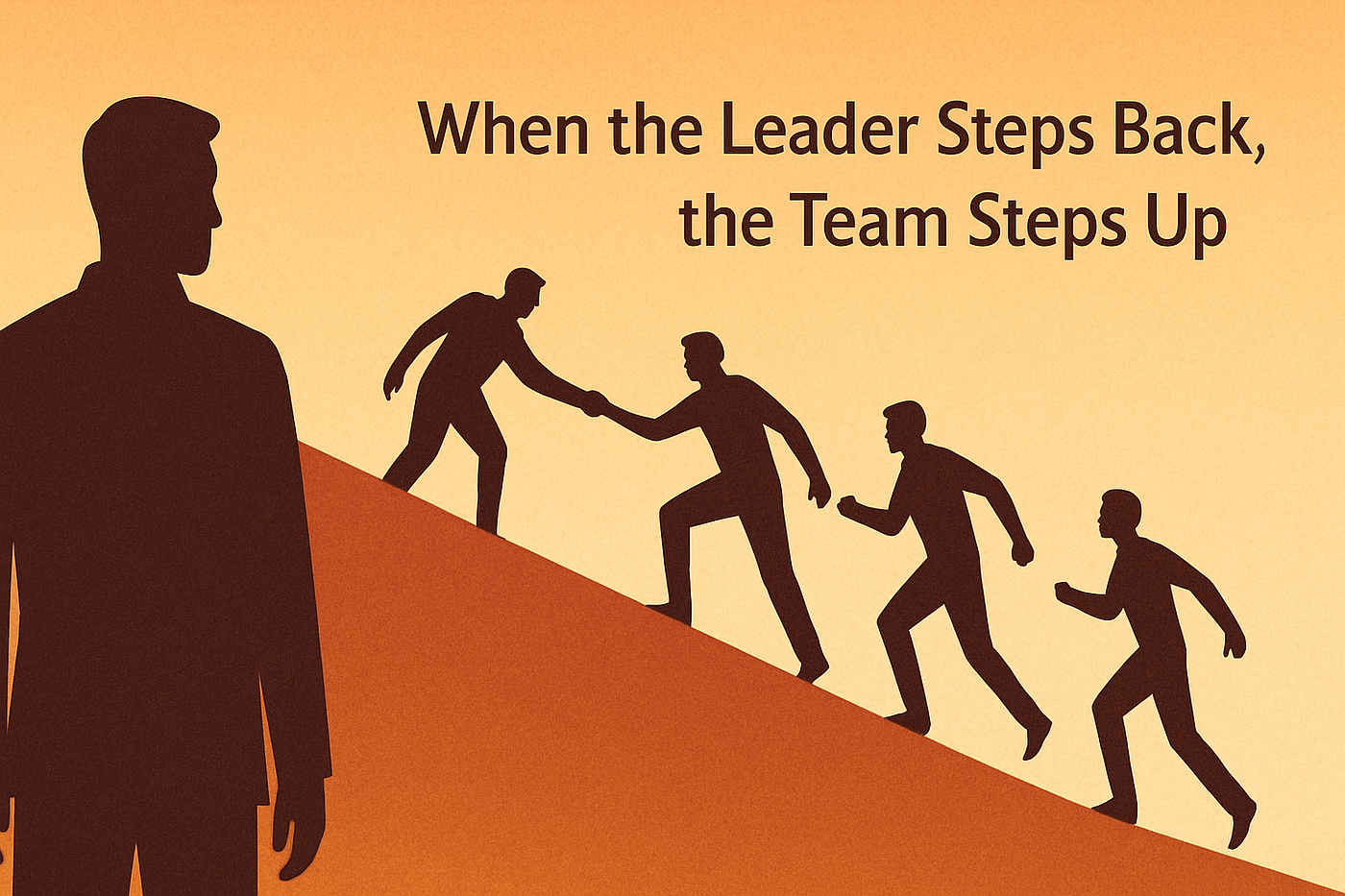
Letting go of being needed feels risky because it challenges ego and identity. You worry that things will fall apart or that people will see you as less important. What actually happens is the opposite. When you remove yourself from constant intervention, other people step up. Systems start doing the work they were meant to do.
Control does not come from presence. It comes from clarity. Clear processes, clear ownership, and clear expectations create stability that no amount of micromanagement ever can.
Why Space Creates Better Leadership
When you are no longer buried in every detail, your role changes. You begin to see patterns instead of problems. You think in weeks and months instead of minutes and hours. Leadership stops being reactive and starts becoming intentional.
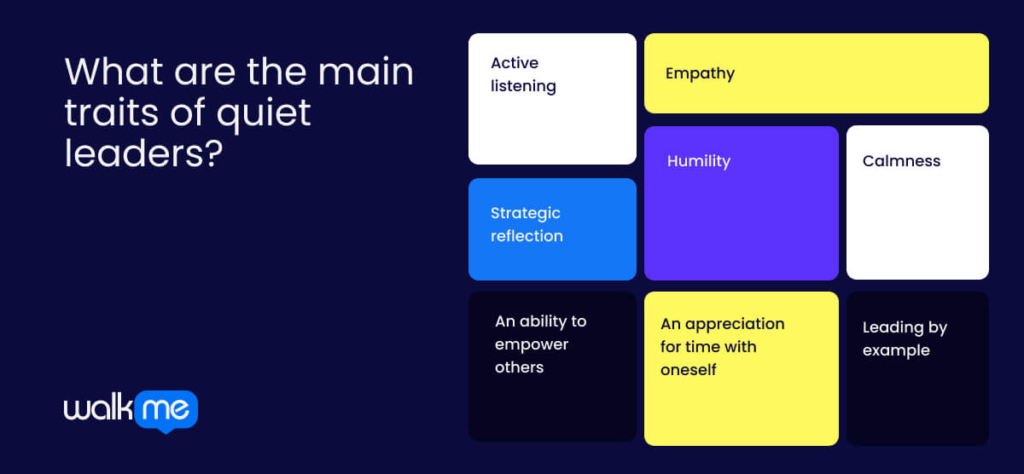
Space sharpens judgment. It allows you to focus on direction instead of maintenance. The business becomes more resilient because it is no longer built around one person’s constant attention.
Conclusion and Lessons Learned
The biggest lesson I learned is that being needed is not the same as being valuable. In fact, the more a system depends on you, the more fragile it becomes. Real leadership is about building structures that work even when you are not there.
If you feel constantly pulled into everything and secretly exhausted by how much depends on you, it may be time to redesign how your systems work. You do not have to disappear to do this. You just have to stop being the default solution to every problem.
If you want help creating systems that reduce dependency, increase clarity, and give you back your time, you are invited to join our free weekly coaching calls. We break this down in practical, real-world terms and help you apply it immediately. You can join us through Let Go Boss by visiting letgoboss.com. Sometimes, the most powerful move a leader can make is stepping back.

What Our Clients Say
Check out our latest reviews

Person 1

This is a satisfied customer talking about how amazing you are to increase the confidence of your next buyer.
Person 2
Here is a different angle perspective from another customer showing how you delivered with confidence.
Person 3
Here is a different demographic that is talking about how you went above and beyond and delivered personal service.
Person 4
Lastly, here is yet another angle to show clients a mixed view of how you are perceived and why you should be trusted.